
Metal Cutting Bandsaw Buying Guide
How to Choose the Right Metal Cutting Bandsaw for Your Workshop
Choosing the right metal cutting bandsaw is essential for achieving accurate cuts, improving productivity, and reducing material waste. Whether you’re a fabrication business, engineering workshop, maintenance department, or manufacturing facility, investing in the right bandsaw will help you work more efficiently while producing consistent, high-quality results.
This buying guide explains the different types of metal cutting bandsaws, key features to consider, and how to choose the best machine for your workshop.
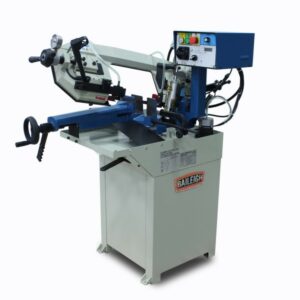
What Is a Metal Cutting Bandsaw?
A metal cutting bandsaw uses a continuous toothed blade running over two or more wheels to produce clean, accurate cuts through metal stock. Unlike abrasive cutting methods, bandsaws generate less heat, minimise material waste and produce a superior finish.
Metal cutting bandsaws are commonly used in:
- Engineering workshops
- Steel fabrication
- Metal manufacturing
- Precision engineering workshops
- Construction companies
- Automotive workshops
- Industrial maintenance departments
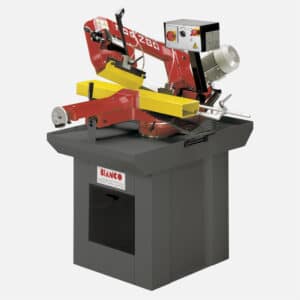
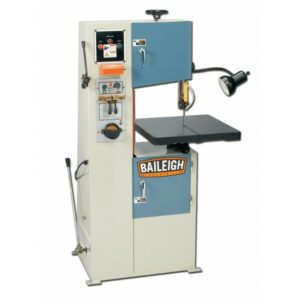
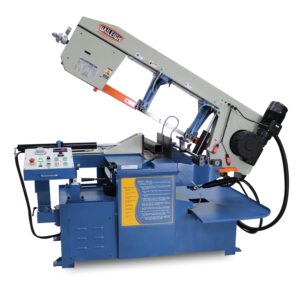
Types of Metal Cutting Bandsaws
Manual Bandsaws
Manual bandsaws are ideal for smaller workshops and occasional cutting tasks. The operator controls the cutting process, making them a cost-effective solution for lower production volumes.
Semi-Automatic Bandsaws
Semi-automatic models automate the cutting cycle while requiring manual loading of materials. They improve productivity and deliver consistent results for medium-volume production.
Automatic Bandsaws
Automatic metal cutting bandsaws are designed for high-volume manufacturing. Material feeding and cutting cycles are fully automated, reducing manual intervention and increasing production efficiency.
Horizontal Bandsaws
Horizontal bandsaws are the most common choice for cutting bars, tubes, pipes and structural steel with excellent accuracy.
Vertical Bandsaws
Vertical bandsaws enable operators to cut complex shapes, contours and custom profiles, making them ideal for fabrication and specialist engineering applications.
Key Features to Consider
Choosing the right metal cutting bandsaw depends on your workload, materials and production requirements.
Cutting Capacity
Choose a machine with sufficient cutting capacity to handle the largest material you process regularly.
Blade Size and Type
Different blades are designed for different metals and applications. Selecting the correct blade improves cutting quality and extends blade life.
Variable Blade Speed
Variable blade speed allows a single machine to cut mild steel, stainless steel, aluminium, brass and other materials efficiently.
Mitre Cutting
Many professional machines offer adjustable mitre cutting, allowing accurate angled cuts without repositioning the workpiece.
Hydraulic Feed Control
Hydraulic feed systems provide smooth, controlled cutting while improving blade life and maintaining consistent cut quality.
Coolant System
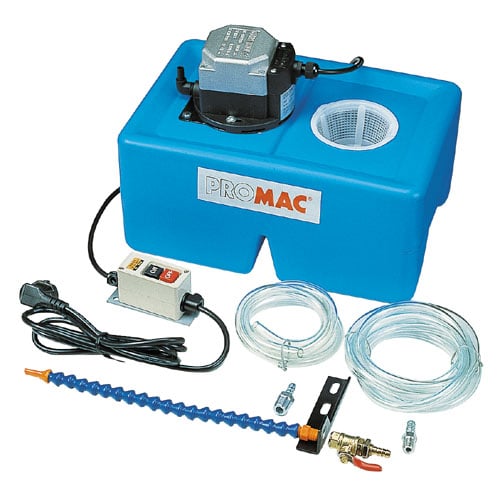
An integrated coolant system reduces heat, improves blade performance and delivers cleaner finishes during continuous operation.
Frequently Asked Questions
What materials can a metal cutting bandsaw cut?
A metal cutting bandsaw is designed to cut a variety of ferrous and non-ferrous metals, including mild steel, stainless steel, aluminium, brass, copper, and cast iron. Using the correct blade and cutting speed ensures clean, accurate cuts and maximises blade life.
Should I choose a manual or automatic metal cutting bandsaw?
Manual bandsaws are ideal for smaller workshops and occasional use, while semi-automatic and automatic models are better suited to high-volume production where efficiency and repeatable accuracy are essential.
Why is variable blade speed important?
Different metals require different blade speeds. A variable-speed bandsaw allows you to optimise cutting performance for each material, improving cut quality, reducing blade wear, and increasing productivity.
How do I choose the right metal cutting bandsaw?
When selecting a bandsaw, consider the type of material you cut, maximum cutting capacity, production volume, available workshop space, power supply, and any features such as hydraulic feed control, mitre cutting, or coolant systems.
How often should a metal cutting bandsaw be maintained?
Regular maintenance is essential for reliable performance. Inspect and replace worn blades when needed, check blade tension, lubricate moving parts, clean the machine after use, and maintain the coolant system according to the manufacturer’s recommendations.