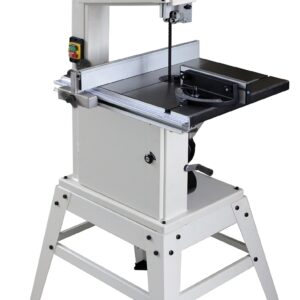
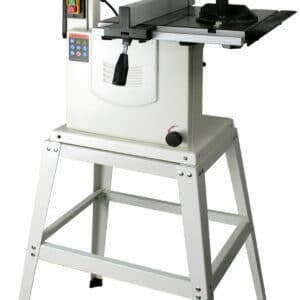
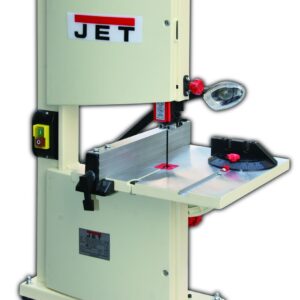
Thinking about taking your woodworking from a weekend passion to something more serious? You’re not alone. Many woodworkers reach a point where their trusty hand tools, while invaluable, start to feel a bit… slow. The truth is, investing in woodworking machinery is a practical and often necessary step that can significantly elevate your craft, boosting both efficiency and precision, and ultimately opening doors to new possibilities. Whether you’re dreaming of selling your creations or simply want to tackle more ambitious projects, the right machinery can be a game-changer.


It’s tempting to think that becoming “pro” just means having a bigger workshop filled with the latest gleaming machines. While that’s part of the picture, the real shift is in your capabilities and the outcomes you can achieve. Machinery offers speed, accuracy, and repeatability that hand tools, no matter how skillfully wielded, simply can’t match consistently. This isn’t to disparage hand tools – they’re the foundation of woodworking and essential for certain tasks. But when you’re aiming for consistent quality and the ability to produce multiple items to the same standard, machinery becomes your ally.
Before diving into specific machines, it’s worth considering what you actually want to achieve. Are you looking to make intricate furniture with precise joinery? Do you want to churn out bespoke cabinetry? Or perhaps you’re interested in delicate turning or carving? Your goals will dictate the type of machinery that will serve you best. It’s about enhancing what you already do well, and allowing you to do more of it, more efficiently.
One of the most immediate benefits of good machinery is its ability to deliver a level of precision that’s difficult to achieve by hand. Think about perfectly square cuts, consistently sized dados, or perfectly matched tenons. This precision isn’t just about aesthetics; it’s about the structural integrity of your projects and the ease with which components fit together, reducing frustration and rework.
When you’re ready to invest, it’s not just about the price tag. Quality machinery is built to last, designed for safety, and engineered for accuracy. Cheaper alternatives might seem appealing initially, but they often lead to frustration due to poor build quality, a lack of power, or inadequate safety features. For a professional or serious hobbyist, the investment in quality pays dividends in the long run, both in terms of the longevity of the tools and the quality of the work they produce.
Look for machines constructed from cast iron or heavy gauge steel. This provides stability and reduces vibration, which is crucial for clean cuts and accurate work. The motor power is also important; it should be sufficient for the tasks you intend to perform without labouring. Pay attention to the bearings, guides, and fences , these are the parts that directly impact precision.Safety First, AlwaysWoodworking machinery, by its nature, involves moving parts and power. Safety features aren’t an optional extra; they are a fundamental requirement. Look for features like blade guards, dust collection ports, emergency stop buttons, and robust dust extraction systems. Understanding how to operate each machine safely is paramount and should be a top priority before you even switch it on.
There are several key pieces of machinery that form the backbone of most workshops, whether for hobbyists or professionals. Each offers unique capabilities that can drastically improve your workflow and the quality of your output.
For many, the table saw is the undisputed king of the workshop. Its versatility is astonishing. From ripping long boards to crosscutting, cutting dadoes and Rabbets, and even making very precise angled cuts, it’s a workhorse. A good table saw can transform how you process timber, making your work faster and significantly more accurate.
When choosing a table saw, focus on the quality of the fence. A rigid, easily adjustable fence is crucial for accurate ripping. Being able to reliably tilt the blade is also essential for making bevel cuts for joinery or frame construction.
To provide the best experiences, we and our partners use technologies like cookies to store and/or access device information. Consenting to these technologies will allow us and our partners to process personal data such as browsing behavior or unique IDs on this site and show (non-) personalized ads. Not consenting or withdrawing consent, may adversely affect certain features and functions.
Click below to consent to the above or make granular choices. Your choices will be applied to this site only. You can change your settings at any time, including withdrawing your consent, by using the toggles on the Cookie Policy, or by clicking on the manage consent button at the bottom of the screen.