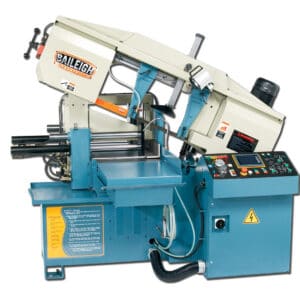
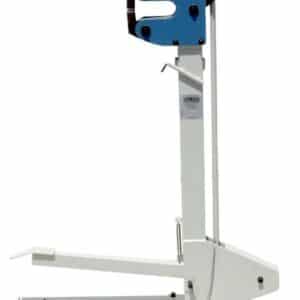
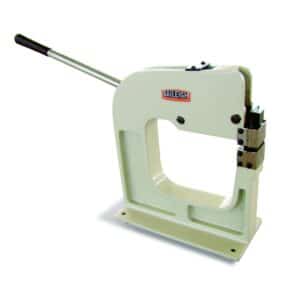
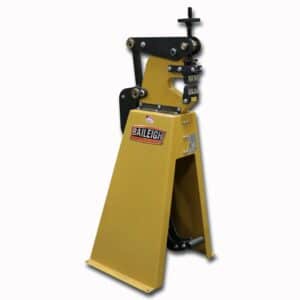
So, you’re looking to give your metalworking workshop a bit of a facelift? Wondering what’s actually new and useful out there to make your life easier and your output better? The good news is, you don’t need a crystal ball to see the future of metalworking; it’s already here, and it’s seriously impressive.
From machines that can practically think for themselves to ways of making metal that sound like science fiction, there’s a lot going on. We’re talking about technology that can boost your precision, speed up your production, and even help you reduce your environmental impact. Let’s dive into some of the key areas where things are really moving.


Computer Numerical Control (CNC) isn’t exactly brand new, but the latest advancements are something else entirely. Forget the clunky interfaces of yesteryear. Today’s CNC machines are smarter, more intuitive, and can handle tasks that were previously unthinkable.
Modern CNC controllers are designed with the operator in mind. Touchscreen interfaces, graphical displays, and even gesture controls are becoming more common, making it easier to set up jobs, monitor progress, and make adjustments on the fly. Think of it like switching from an old flip phone to a top-of-the-line smartphone – the functionality is vastly improved, and it’s so much easier to use.
While five-axis machining has been around for a while, it’s becoming more accessible and more integrated into a wider range of machines. This allows for vastly more complex geometries to be produced in a single setup, reducing handling time and the potential for errors. Imagine being able to machine intricate curves and undercuts without needing to reposition the workpiece multiple times. That’s the power of advanced multi-axis capabilities.
The gap between your design software and your machinery is shrinking. Many newer CNC machines can directly import CAD/CAM files, reducing the need for manual data entry and the associated risks of transcription errors. This seamless integration means your digital designs translate more directly and accurately into physical parts.
Automation in metalworking is no longer just about simple repetitive tasks. Robotics are becoming more sophisticated, collaborative, and integrated into the entire production flow.
These are robots designed to work safely alongside human operators. They’re less intimidating, easier to program, and are proving invaluable for tasks like loading and unloading machines, assembly, and quality inspection. Cobots can take on the dull, dirty, or dangerous jobs, freeing up your skilled workforce for more complex and engaging work.
The tools that robots use are also getting smarter. Advanced grippers, sophisticated sensor systems, and even integrated welding or deburring tools are allowing robots to perform a much wider range of operations. This means a single robotic arm can potentially handle multiple stages of a manufacturing process.
To provide the best experiences, we and our partners use technologies like cookies to store and/or access device information. Consenting to these technologies will allow us and our partners to process personal data such as browsing behavior or unique IDs on this site and show (non-) personalized ads. Not consenting or withdrawing consent, may adversely affect certain features and functions.
Click below to consent to the above or make granular choices. Your choices will be applied to this site only. You can change your settings at any time, including withdrawing your consent, by using the toggles on the Cookie Policy, or by clicking on the manage consent button at the bottom of the screen.